What if your home could power itself long after sunset?
Australians are discovering a shift that changes how energy works in their households, turning rooftops into sources of independence that outlast the grid.
Discover How
Australians are discovering a shift that changes how energy works in their households, turning rooftops into sources of independence that outlast the grid.
Discover HowMost households consume their peak electricity between 6 PM and 10 PM. Cooking, heating, entertainment systems drawing power precisely when solar panels produce nothing. This mismatch creates a dependency that costs more with every quarterly bill.
Traditional solar installations address only half the equation. They harvest energy during abundant sunlight hours, yet leave homes vulnerable when that power matters most. The grid becomes the fallback, and its prices reflect peak demand timing.

Advanced battery storage systems capture excess generation during daylight hours and hold it until evening demand rises. This creates a secondary power source that operates independently from grid infrastructure, shifting household consumption patterns entirely.
Research demonstrates that lithium iron phosphate battery technology maintains over 80% capacity after 6,000 charge cycles, translating to more than 15 years of daily use under typical residential conditions [1]. The longevity transforms initial investment into sustained value across decades.
Grid electricity costs fluctuate with wholesale market conditions, seasonal demand, and infrastructure maintenance cycles. Battery systems lock in the cost of stored solar generation, creating predictable energy expenses regardless of external market pressures.
Households with storage capacity reduce grid reliance by an average of 68% during evening hours, according to deployment data from Australian Energy Market Operator studies [2].
Power interruptions from storms, maintenance work, or infrastructure failures disconnect households from essential functions. Battery backup maintains continuity for refrigeration, medical equipment, communication systems, and climate control without gaps.
Unlike generators that require fuel delivery and produce emissions, battery systems activate instantly and operate silently during outages, preserving stored solar capacity until grid restoration.
Solar installations with integrated storage increase property appeal to buyers seeking lower ongoing costs and environmental responsibility. Real estate analysis shows homes with complete energy systems command premiums during sales, as documented in multiple market assessments [3].
The infrastructure becomes part of the property's permanent features, transferring value to future owners while reducing holding costs throughout ownership duration.

"We installed our system in March last year. By September, our evening grid consumption dropped to nearly nothing. The batteries handle dinner prep, television, air conditioning, everything we need after work. Our quarterly bill went from $487 to $91."
Solar panels convert photons into direct current electricity through photovoltaic cells. This DC power flows into an inverter that transforms it to alternating current matching household requirements. During excess generation periods, the system diverts surplus electricity into battery modules rather than exporting to the grid.
Lithium iron phosphate chemistry provides stable voltage throughout discharge cycles while maintaining thermal safety margins superior to other battery types. The energy density allows compact installations that fit standard garage or utility room spaces without structural modifications [4].
Australia's solar intensity and temperature ranges require systems designed for sustained heat exposure and high UV levels. Battery enclosures need adequate ventilation while panels must withstand wind loads from coastal or elevated locations.
Roof pitch, orientation, and shading patterns determine panel placement and expected generation capacity. South-facing installations in the southern hemisphere maximize annual output, while western orientations extend afternoon generation to better match battery charging windows.
"The installation took two days. They mounted panels on our north and west roof sections, placed the batteries in the garage, and connected everything through the existing meter box. We were generating and storing power by the end of the second afternoon."
Each configuration balances generation capacity with storage requirements based on typical consumption patterns. Pricing reflects equipment, installation, and system commissioning.
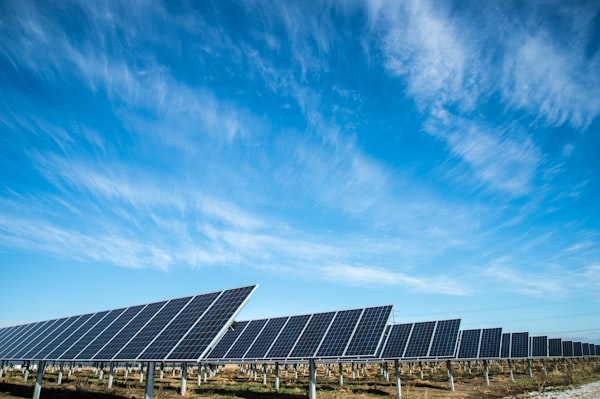
Suitable for one to two person households with moderate evening consumption. Includes 5kW solar array with 10kWh battery storage capacity. Covers lighting, refrigeration, entertainment systems, and basic appliances during evening hours.

Designed for three to four person households with comprehensive evening needs including cooking, heating, and continuous appliance operation. Features 8kW solar capacity with 15kWh storage and backup circuit priority configuration.
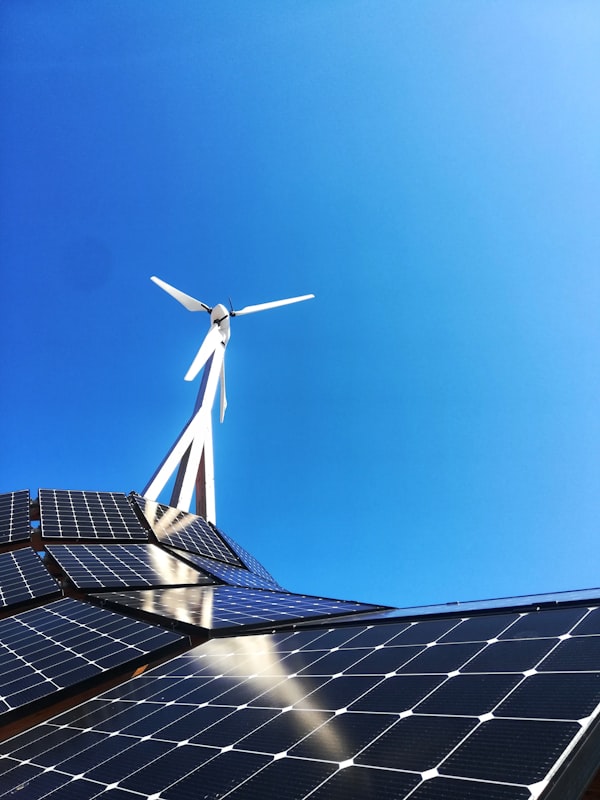
Maximum independence for larger homes or properties with workshops, pools, or high climate control requirements. Incorporates 12kW generation with 22kWh battery capacity and smart load management that optimizes storage allocation throughout the day.

Comprehensive evaluation of existing electrical infrastructure, consumption patterns, and property-specific requirements. Includes detailed generation modeling, storage calculations, and personalized system specification with installation timeline and cost breakdown.
The systems and information described on this website are not intended to diagnose electrical problems or guarantee specific financial outcomes. Individual results will vary based on location, consumption patterns, weather conditions, and system maintenance. Energy generation estimates are based on typical conditions and may differ from actual performance. This information should not replace consultation with qualified electrical professionals or energy assessors. Before making any decisions about solar installations, we recommend obtaining professional assessment of your specific property and requirements.
Complete the form below to receive detailed information about system options suited to your household requirements.