Building energy independence one household at a time
Our focus centers on helping Australian households reduce grid dependency through properly designed solar battery systems that match actual consumption patterns.

How we approach residential energy systems
Most solar installations prioritize generation capacity without adequate consideration of when that energy gets used. This creates a mismatch between production and consumption that forces households back to the grid during peak evening hours when electricity costs most.
We start with consumption analysis rather than roof capacity. Understanding household energy patterns throughout the day reveals where storage provides the most value, which determines appropriate battery sizing before panel configuration gets finalized.
Technology selection criteria
Battery chemistry directly affects system longevity, safety margins, and performance across temperature ranges. Lithium iron phosphate provides thermal stability and cycle life that suits Australian climate conditions better than alternatives optimized for different environments.
Panel efficiency matters less than total system integration. Slightly lower efficiency panels that cost significantly less can deliver better economic outcomes when paired with properly sized storage, because the goal is energy independence rather than maximum generation.
Installation standards
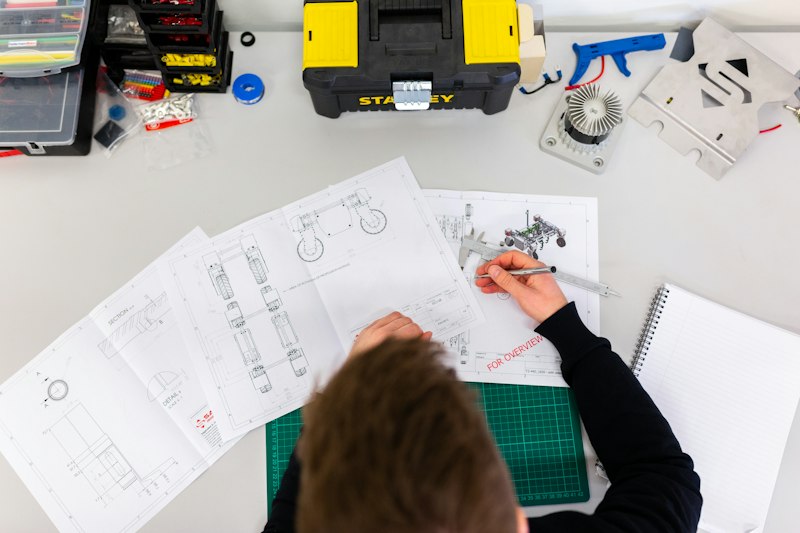
Every system we install undergoes load circuit analysis to identify essential circuits that receive priority during battery operation. This ensures critical functions like refrigeration and medical equipment maintain power during grid outages while non-essential loads draw from stored energy when available.
Electrical work follows Australian Standards AS/NZS 5033 for photovoltaic installations with additional attention to battery enclosure ventilation, thermal management, and emergency disconnection access. Installers carry current electrical licenses and complete manufacturer-specific training for each battery system type we deploy.
Post-installation support structure
System monitoring provides real-time visibility into generation, storage levels, and consumption patterns. This data reveals optimization opportunities such as shifting appliance usage to maximize stored solar rather than grid dependence, helping households extract maximum value from their investment.
We maintain relationships with component manufacturers for warranty administration and replacement parts sourcing. When battery capacity eventually diminishes after years of use, replacement modules integrate with existing inverter and panel infrastructure rather than requiring complete system replacement.
Transparent Pricing
System costs include all equipment, installation labor, electrical certification, and commissioning with no hidden fees for permits or inspections.
Performance Modeling
Before installation, we provide generation estimates based on your specific location, roof characteristics, and historical weather data for realistic expectations.
Warranty Coordination
We handle all manufacturer warranty claims for panels, batteries, and inverters throughout their coverage periods, eliminating customer service navigation.
Why energy storage matters beyond cost savings
Grid electricity prices reflect wholesale market dynamics, infrastructure maintenance costs, and peak demand management. These factors trend upward over time regardless of individual household behavior, making future price predictions difficult.
Battery storage converts this uncertainty into control. Once installed, the system's operating cost becomes primarily maintenance and eventual replacement, both predictable expenses that households can plan around rather than react to with each quarterly bill increase.
The energy security aspect gains importance during extreme weather events when grid demand spikes while supply becomes constrained. Households with storage maintain essential functions without competing for limited grid capacity, reducing vulnerability during precisely the moments when electrical service matters most.